Sphynx Pet Insurance: Cost & Coverage (2026)
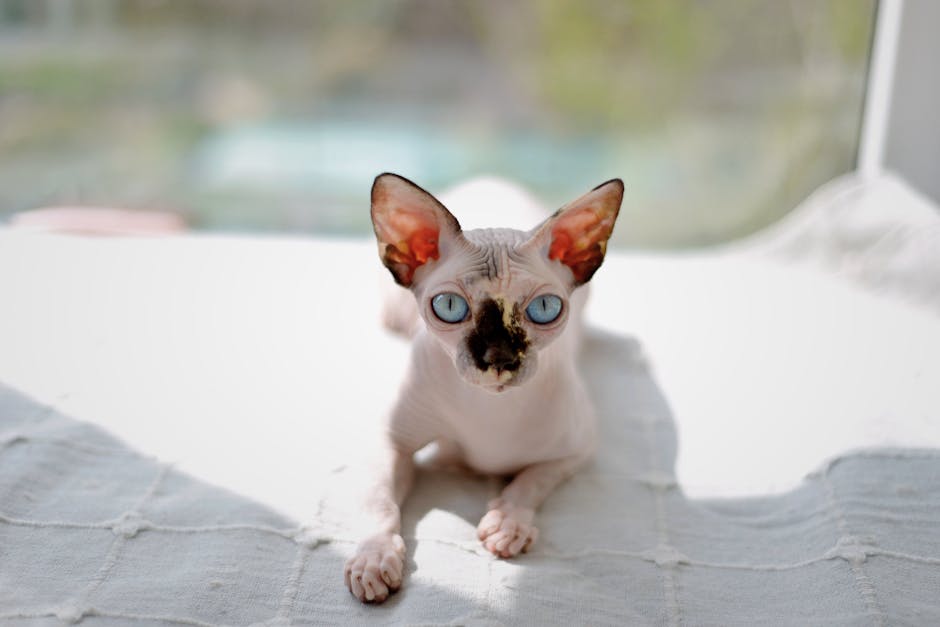
Hairless, warm and famously affectionate, the Sphynx is unlike any other cat — and that lack of a coat is exactly why it needs more care, not less. The breed carries a serious heart risk plus skin and dental issues that come with the territory. For a Sphynx, pet insurance is one of the most sensible buys an owner can make.
This guide covers how much Sphynx pet insurance costs in 2026, the conditions to plan for, what a policy covers, and how to choose one that pays out.
What’s in this guide
How much does Sphynx pet insurance cost in 2026?
Sphynx owners in the US typically pay $32 to $58 per month for comprehensive accident-and-illness cover in 2026 — among the higher-priced cat breeds, driven by a high heart-disease rate and ongoing skin care.
| Age of cat | Accident only | Accident + illness | Comprehensive |
|---|---|---|---|
| Kitten (under 1 yr) | $9–$16/mo | $26–$40/mo | $40–$56/mo |
| Adult (1–6 yrs) | $12–$20/mo | $32–$50/mo | $50–$70/mo |
| Senior (8+ yrs) | $20–$32/mo | $55–$85/mo | $85–$125/mo |
HCM (the breed’s main heart risk) is common and can appear young, so insuring a Sphynx as a kitten — before any murmur is on record — is essential.
Why do Sphynx cats cost more to insure?
1. Hypertrophic cardiomyopathy (HCM)
The Sphynx has one of the highest HCM rates of any cat breed — a thickening of the heart muscle that can cause sudden failure. Lifelong cardiac care runs $1,000–$3,000+.
2. Skin conditions (no coat to protect them)
With no fur, Sphynx skin is exposed: oily build-up, yeast infections, sunburn and dermatitis all need ongoing care and regular bathing.
3. Dental disease and temperature sensitivity
Sphynx are prone to severe dental disease, and their lack of insulation makes them vulnerable to cold and heat.
Common Sphynx health conditions
Typical out-of-pocket costs without insurance:
| Condition | What it is | Typical cost |
|---|---|---|
| HCM (heart disease) | Thickened heart muscle | $1,000–$3,000+ |
| Skin conditions | Dermatitis, yeast, infections | $200–$1,000/year |
| Dental disease | Severe gingivitis, extractions | $400–$1,500 |
| Hereditary myopathy | Muscle weakness condition | $500–$2,000 |
| Digestive issues | IBD, sensitive stomach | $500–$2,000/year |
| Urinary issues (FLUTD) | Bladder/urinary disease | $300–$1,500 |
What does Sphynx pet insurance cover?
A comprehensive accident-and-illness plan covers heart diagnostics and medication, skin treatment, dental disease (on plans that include it), digestive care and medication — minus deductible, reimbursed at 70–90%. It will not cover pre-existing conditions, routine care (unless wellness is added) or elective procedures. Because HCM is common and can appear young, enrolling before any heart murmur is recorded matters most.
How to choose the right plan for a Sphynx
1. Full hereditary & cardiac cover
This is the key Sphynx check. Confirm HCM and hereditary conditions are covered — some cheaper plans exclude them, and HCM is exactly what this breed faces.
2. Covers skin and dental illness
Skin and dental issues are near-constant for a Sphynx. Make sure both are included, ideally with a wellness add-on for routine care.
3. Lifelong cover, 80–90% reimbursement, $10,000+ limit.
Is pet insurance worth it for a Sphynx?
For this breed, strongly yes. Sphynx live 12–15 years and carry one of the highest HCM rates of any cat, plus constant skin and dental needs. Lifetime premiums of roughly $5,000–$9,000 weigh against cardiac care running into the thousands and years of skin and dental bills. Insure as a kitten, choose a plan that covers hereditary heart disease, and the breed’s known risks stop being a financial threat.
Frequently asked questions
Does insurance cover HCM (heart disease) in Sphynx cats?
Yes on a comprehensive plan that covers hereditary conditions — including diagnostics, medication and monitoring — provided no heart murmur or HCM was recorded before the policy started. Because the Sphynx has one of the highest HCM rates of any breed, insuring early is especially important.
Does it cover skin problems?
Yes — skin infections and dermatitis are covered as illnesses on a comprehensive plan, if they were not pre-existing. Routine bathing and grooming are only covered with a wellness add-on.
Is Sphynx insurance expensive?
Among the higher-priced cat breeds — $32–$58/month for an adult on comprehensive cover — due to heart and skin risk.
What is the best age to insure a Sphynx?
As a kitten, under 1 year, before HCM or skin/dental disease can become pre-existing.
How much should I budget per month?
Budget $45–$65/month for an adult Sphynx on a high-limit comprehensive plan that covers hereditary heart disease.
This guide is for general educational purposes and is not financial advice. Always read the full policy terms before purchasing.