Bengal Pet Insurance: Cost & Coverage (2026)
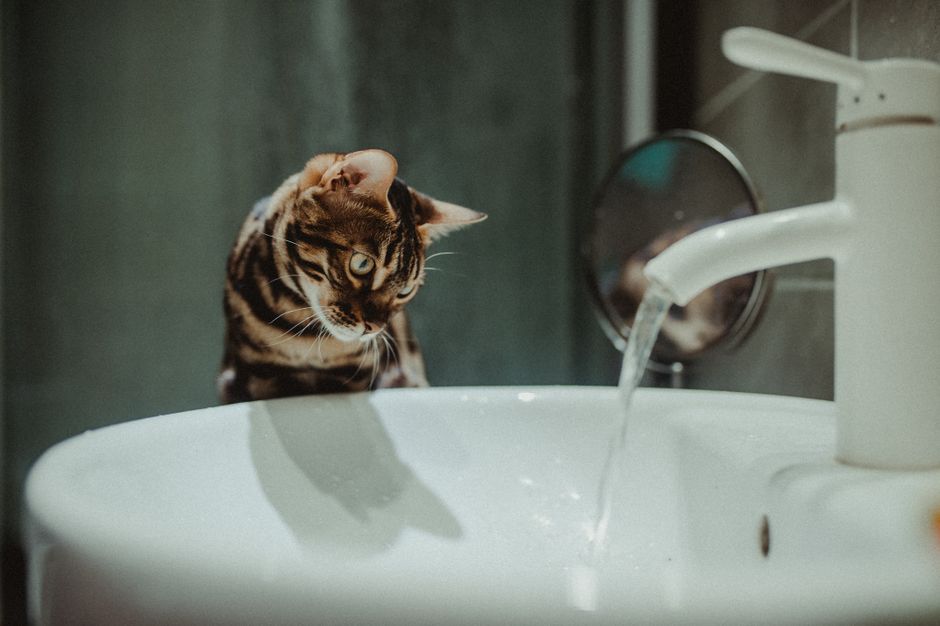
Wild-looking, athletic and endlessly energetic, the Bengal is one of the most striking cat breeds — bred from the Asian leopard cat for that spotted, marbled coat. It’s generally healthy but carries specific inherited risks: a heart condition, an eye disease that causes blindness, and digestive sensitivity. Insurance turns those risks into a predictable monthly cost.
This guide covers how much Bengal pet insurance costs in 2026, the conditions to plan for, what a policy covers, and how to choose one that pays out.
What’s in this guide
How much does Bengal pet insurance cost in 2026?
Bengal owners in the US typically pay $28 to $52 per month for comprehensive accident-and-illness cover in 2026 — around the cat-average, with hereditary heart and eye risks the main cost drivers.
| Age of cat | Accident only | Accident + illness | Comprehensive |
|---|---|---|---|
| Kitten (under 1 yr) | $7–$14/mo | $22–$36/mo | $36–$50/mo |
| Adult (1–6 yrs) | $10–$17/mo | $28–$44/mo | $44–$62/mo |
| Senior (8+ yrs) | $16–$28/mo | $48–$76/mo | $76–$112/mo |
Several Bengal conditions are hereditary and can appear young, so insuring as a kitten — before anything is on record — locks in the best price and avoids exclusions.
Why do Bengals cost more to insure?
1. Hypertrophic cardiomyopathy (HCM)
Like several pedigree breeds, Bengals carry a real risk of HCM — a thickening of the heart muscle that can cause sudden failure. Cardiac care runs $1,000–$3,000+.
2. Progressive retinal atrophy (PRA-b)
A hereditary eye disease specific to Bengals that gradually causes blindness. There’s no cure, but diagnosis and management still cost.
3. Digestive sensitivity and patellar luxation
Bengals are prone to chronic digestive issues and inflammatory bowel disease, plus the occasional slipping kneecap.
Common Bengal health conditions
Typical out-of-pocket costs without insurance:
| Condition | What it is | Typical cost |
|---|---|---|
| HCM (heart disease) | Thickened heart muscle | $1,000–$3,000+ |
| PRA-b (eyes) | Hereditary blindness | $500–$2,000 |
| Digestive / IBD | Chronic bowel disease | $500–$2,500/year |
| Patellar luxation | Kneecap slips out | $1,500–$3,000 |
| Dental disease | Gingivitis, extractions | $300–$1,200 |
| Urinary issues (FLUTD) | Bladder/urinary disease | $300–$1,500 |
What does Bengal pet insurance cover?
A comprehensive accident-and-illness plan covers heart diagnostics and medication, eye disease, digestive treatment, joint surgery and dental disease (on plans that include it) — minus deductible, reimbursed at 70–90%. It will not cover pre-existing conditions, routine care (unless wellness is added) or elective procedures. Because several Bengal conditions are hereditary, enrolling before any sign appears matters most.
How to choose the right plan for a Bengal
1. Hereditary condition cover
Confirm HCM and PRA are covered — some cheaper plans exclude hereditary conditions, which are exactly what this breed faces.
2. Covers chronic digestive disease
IBD needs lifelong management. Make sure ongoing treatment is reimbursed every year, not just once.
3. 80–90% reimbursement and a $10,000+ limit.
Is pet insurance worth it for a Bengal?
For most owners, yes. Bengals live 12–16 years and carry hereditary heart and eye risks that often appear young. Lifetime premiums of roughly $4,500–$8,500 weigh against cardiac care or years of digestive management running into the thousands. Insure as a kitten, choose a plan that covers hereditary disease, and the breed’s known risks become manageable.
Frequently asked questions
Does insurance cover HCM (heart disease) in Bengals?
Yes on a comprehensive plan that covers hereditary conditions — including diagnostics, medication and monitoring — provided no heart murmur or HCM was recorded before the policy started. This is a key reason to insure the breed early.
Does it cover hereditary blindness (PRA)?
Diagnosis and management are covered on comprehensive plans that include hereditary conditions, as long as PRA was not detected before the policy started. There’s no cure, but cover helps with the workup and any related care.
Is Bengal insurance expensive?
Around the cat-average — $28–$52/month for an adult on comprehensive cover.
What is the best age to insure a Bengal?
As a kitten, under 1 year, before HCM, PRA or digestive disease can become pre-existing.
How much should I budget per month?
Budget $40–$60/month for an adult Bengal on a high-limit comprehensive plan that covers hereditary disease.
This guide is for general educational purposes and is not financial advice. Always read the full policy terms before purchasing.