Pet Insurance Waiting Periods Explained
Pet insurance doesn’t protect you the instant you sign up — there’s a short gap called the waiting period. Knowing how it works (and which one catches people out) matters, because anything that happens during it counts as pre-existing. This guide explains pet insurance waiting periods in 2026.
What’s in this guide
What a waiting period is
A waiting period is the gap between your policy start date and when cover actually begins. It stops people from buying insurance only after their pet is already sick — which would make the whole system unworkable. During the wait, your premium is being paid but claims for new conditions won’t be honoured.
Typical waiting periods in 2026
| Type | Typical wait |
|---|---|
| Accidents / injuries | 2–5 days (some same-day) |
| Illnesses | 14 days |
| Orthopedic / cruciate / hip | Up to 6 months (sometimes waivable) |
| Some specific conditions | Varies — check the policy |
The orthopedic trap (the one that catches people)
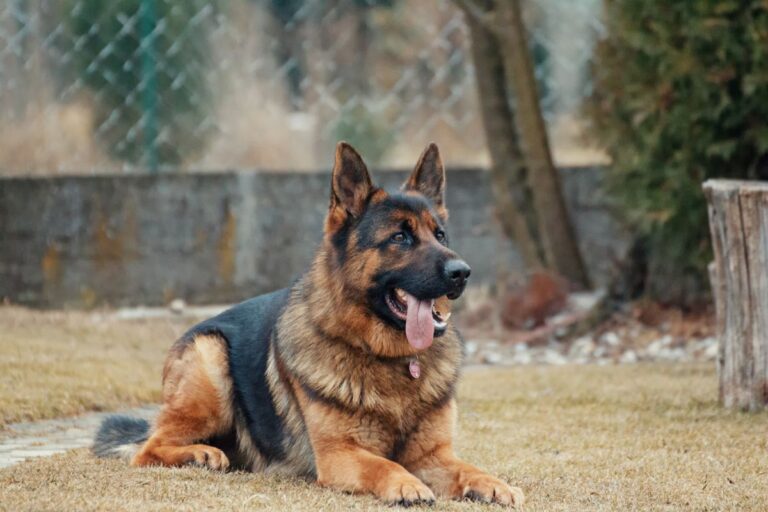
This is the big one. Many insurers apply a special 6-month waiting period for orthopedic conditions — cruciate tears, hip and elbow dysplasia — which are exactly what large and high-risk breeds are most likely to need. Some insurers will shorten or waive it after a vet exam. If you have a Shepherd, Labrador or other joint-prone breed, choosing an insurer with a short or waivable orthopedic wait is one of the most important decisions you’ll make. More on ACL cover here.
Why waiting periods exist
Without them, people would only insure a pet after it got sick, claim immediately, and cancel — collapsing the risk pool and making insurance impossible to price. Waiting periods keep premiums affordable for everyone by ensuring you can’t game the system.
How to handle waiting periods
You can’t avoid them, but you can plan around them: insure before you need it (ideally as a young, healthy pet), so the waiting periods pass while your pet is well and everything is covered when something eventually goes wrong. Insuring after symptoms appear is too late — that condition is already pre-existing. See the best time to get insurance.
Frequently asked questions
How long is the pet insurance waiting period?
Typically 2–5 days for accidents, 14 days for illness, and up to 6 months for orthopedic conditions like cruciate tears and hip dysplasia.
Why is the orthopedic waiting period so long?
Because orthopedic conditions are common, expensive and sometimes already developing when a policy starts. Some insurers waive the 6-month wait after a vet exam.
What happens if my pet gets sick during the waiting period?
That condition is treated as pre-existing and excluded for the life of the policy — which is why insuring before any symptoms appear matters.
Can I skip the waiting period?
No, but some insurers shorten or waive the orthopedic wait after a clean vet exam. Ask before you buy if your breed is joint-prone.
Why do waiting periods exist at all?
To stop people insuring only after a pet is sick. Without them, premiums for everyone would be far higher.
This guide is for general educational purposes and is not financial advice. Always read the full policy terms before purchasing.