Goldendoodle Generations Explained: F1, F1B, F2 & Multigen
F1, F1B, F2, multigen — if you’ve started shopping for a Goldendoodle, the “generations” labels can feel like a secret code. They actually matter a lot: a Goldendoodle’s generation affects how much it sheds, how hypoallergenic it is, its coat type, and its price. Here’s the plain-English breakdown.
What Do Goldendoodle Generations Mean?
The generation tells you which dogs were crossed to produce the puppy:
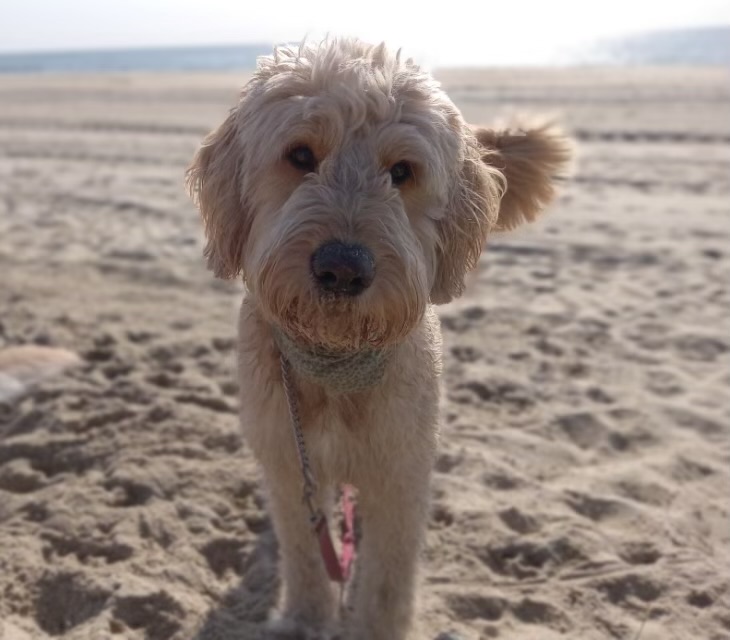
- F1 Goldendoodle = Golden Retriever × Poodle (50/50). The “first cross.” Wavy coats, moderate shedding, but the most genetic variation litter to litter.
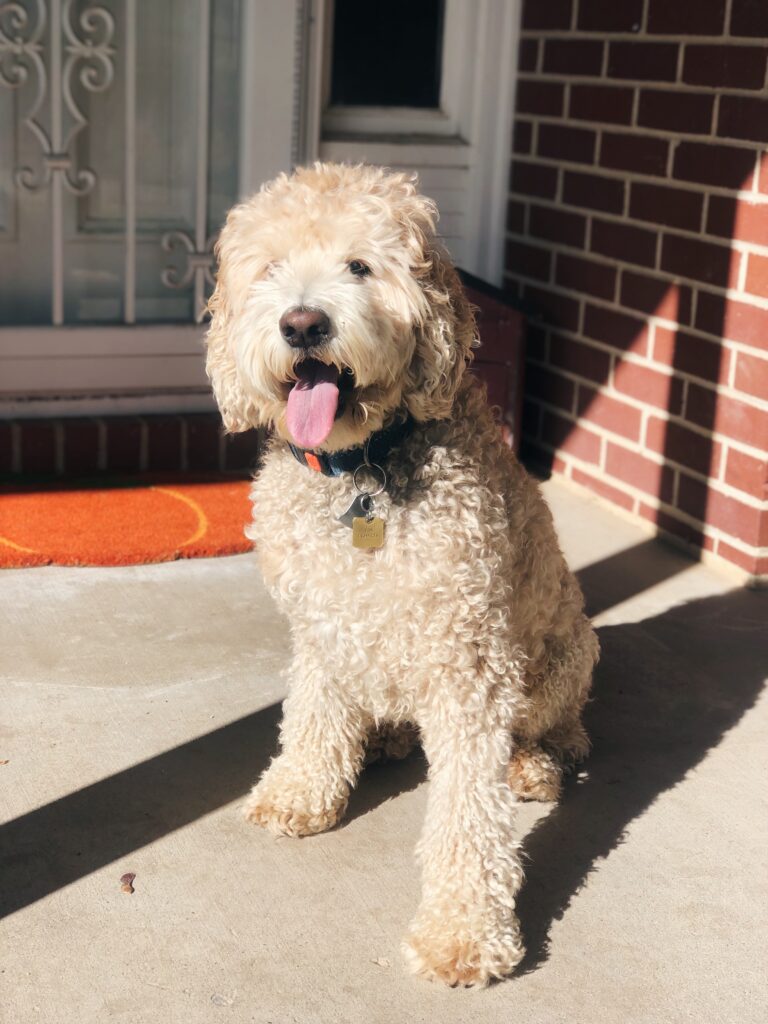
- F1B Goldendoodle = F1 Goldendoodle × Poodle (75% Poodle). Curlier, lowest-shedding, the most allergy-friendly option. Very popular for this reason.
- F1BB Goldendoodle = F1B × Poodle (87.5% Poodle). Even more hypoallergenic, very curly.
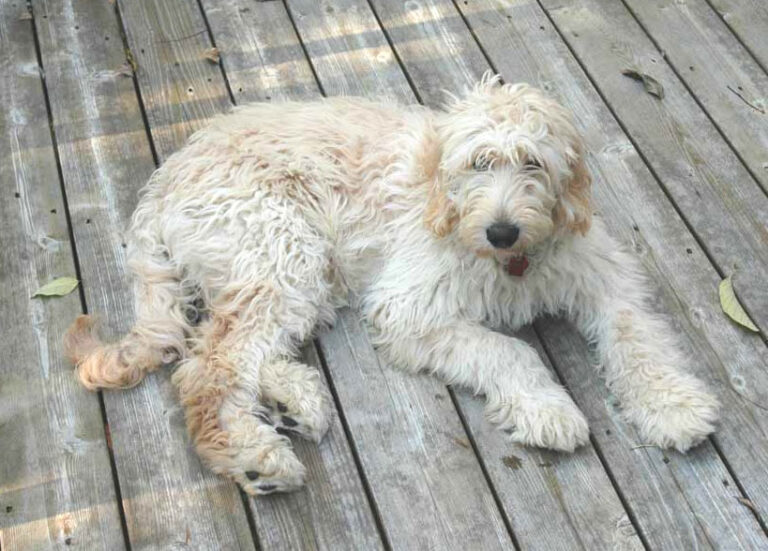
- F2 Goldendoodle = F1 × F1. More variable coats; harder to predict shedding.
- Multigen / F3 = doodle × doodle over multiple generations. Bred for consistent, predictable, low-shedding coats.
Which Generation Sheds the Least?
If shedding and allergies are your top concern, look for F1B, F1BB, or multigen Goldendoodles — the higher Poodle percentage means curlier, lower-shedding coats. No dog is 100% hypoallergenic, but these come closest.
Heads up: curlier coats mat faster and need more grooming. Read how to groom a Goldendoodle at home before you commit.
Which Generation Is Best?
- Allergy sufferers → F1B or F1BB
- Want a classic “teddy bear” wavy look + lower grooming → F1
- Want the most predictable coat → multigen
Generation also affects price — the more hypoallergenic generations often cost more. See our Goldendoodle cost guide. Coat color is a separate factor entirely; explore the options in Goldendoodle colors.
Whichever generation you choose, the fundamentals of care are the same. Start with our complete Goldendoodle care guide.